Founder’s guide
How to start a skincare brand in Malaysia with an OEM factory
You don’t need a lab or a factory to launch skincare in Malaysia — but you do need to make eight decisions in the right order. Here they are, from first idea to first sale.
1. Decide what you are actually selling
Before you contact a factory, write one paragraph: who the product is for, what it does in plain words, where you will sell it (TikTok Shop, Shopee, pharmacies, clinics, export) and what price it will sell at. Every other decision — formula, packaging, MOQ, halal — follows from those four answers.
Two common starting points work well for first-time founders:
- One hero product. A single serum, moisturiser or sunscreen that you can explain in one sentence. Easier to fund, easier to market.
- A small routine of two or three products that share a base formula and packaging, so you can order them together without tripling your MOQ.
2. Choose the right kind of manufacturing
| Route | What it means | Typical first order | Time to market |
|---|---|---|---|
| Ready-to-brand (private / white label) | You pick one of the factory’s existing, tested formulas and put your brand on it | From 50 units at some factories | 1–2 weeks |
| ODM | The factory adjusts one of its bases for you — texture, scent, actives, claims | About 500 units | 1–3 months |
| Full OEM | A new formula developed to your brief | Project-based | 3–6 months |
Lead times and MOQs are the ones Malaysian factories publish; see our skincare OEM ranking for each factory’s terms.
For a first product, ready-to-brand or light ODM is almost always the right choice. You learn what sells before you spend on development, and you can move a proven product to a custom formula later.
3. Shortlist factories — and check they are real
Malaysia has hundreds of companies selling “OEM skincare”, but only some are factories. Before you pay anything:
- Check NPRA’s list of GMP-compliant cosmetic manufacturers. Every real cosmetics factory in Malaysia must comply with ASEAN cosmetic GMP. Traders and agents will not be on it.
- Search the company as manufacturer on NPRA’s Quest3+ register. You will see how many products it makes and for how many brands.
- Check halal in the JAKIM MyeHalal directory — the factory and products like yours.
- Ask for the ISO 22716 certificate number and issuer, then look it up on the issuer’s website.
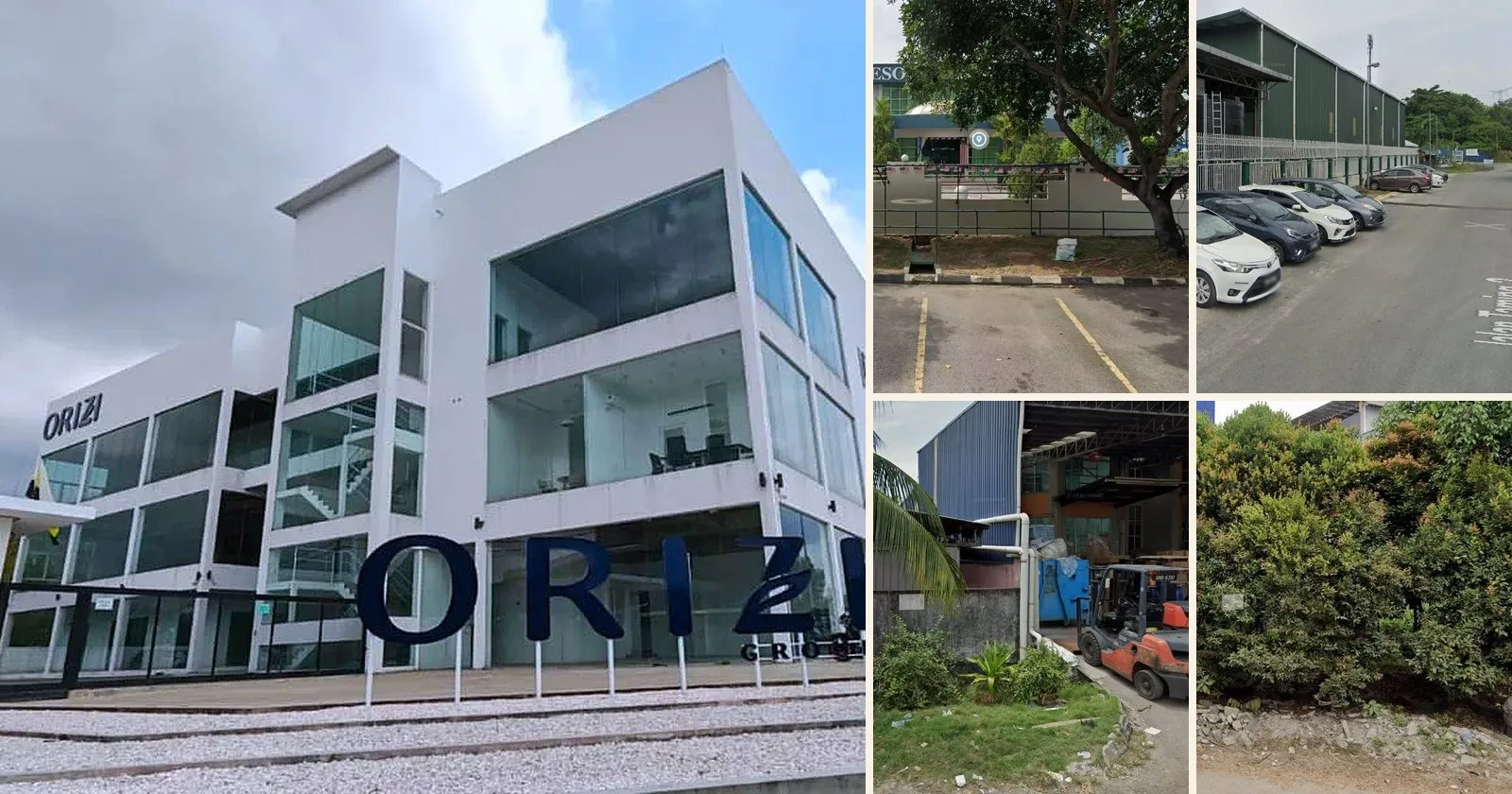
- Look at the plant on Google Maps and Street View, and visit if you can.
We do this for every factory we rank. In our analysis of 355 Malaysian cosmetic manufacturers, only 26 made more than 100 skincare products for outside brands.
4. Get samples and test them properly
Ask for two or three samples of the closest formulas, and use them yourself for at least two weeks. Then:
- Give samples to five to ten people in your target group and collect written feedback.
- Check texture and scent in the actual packaging you plan to use — pumps, droppers and tubes change how a product feels.
- Ask the factory for stability and microbiology test results for the formula, and whether the formula has been tested in your packaging.
Change one thing at a time when you ask for revisions. Most factories include one or two rounds of sample changes in the quote.
5. Brand, packaging and label
Trademark first. Search MyIPO for your brand name and file a trademark application early; registration takes many months, and you don’t want to reprint packaging later.
Packaging drives cost and MOQ. Stock bottles and jars from the factory’s suppliers are cheapest and have the lowest MOQs. Custom moulds and printed boxes often carry their own minimums of several thousand pieces.
Label requirements. Malaysia follows the ASEAN Cosmetic Directive. Your label must show, among other things:
- the product name and its function (unless obvious),
- instructions for use and any warnings,
- the full ingredient list in INCI names,
- the net content,
- the country of manufacture,
- the name and address of the company responsible for the product in Malaysia,
- the batch number, and
- the manufacture or expiry date where required.
Your factory will usually check your artwork against these rules; ask for that in writing.
6. NPRA notification
Every cosmetic product sold in Malaysia must be notified to NPRA before it is placed on the market. The notification is filed online by the company responsible for the product — the notification holder — which must be a company registered in Malaysia.
- Most OEM factories file the notification for you, but ask for it to be filed in your company’s name. If the factory holds it, moving to another factory later means re-notifying your product.
- The notification holder must keep a Product Information File (formula, safety assessment, manufacturing details, claims support) available for inspection. Your factory should give you its part.
- Notifications must be renewed periodically. Put the renewal date in your calendar.
Watch your claims. Cosmetics can cleanse, moisturise, protect and improve appearance. Words like treat, cure, heal or anti-acne medicine turn a cosmetic into a drug in the eyes of the regulator. NPRA regularly cancels notifications for products found to contain banned substances such as mercury, hydroquinone or tretinoin — never accept a formula that promises “instant whitening”.
7. Halal (if you need it)
If you sell to Muslim consumers, halal can be a strong reason to buy — but only a certified product may carry the halal logo. In Malaysia halal is certified by JAKIM (or a state authority) product by product.
Our data shows a wide gap between factories: at one Malaysian skincare OEM, 85% of client skincare products are JAKIM-listed; at others, almost none are, even though the factory holds a certificate. Ask the factory:
- Will my product be certified under your certificate or do I need my own?
- How long will certification take, and who pays?
- Can you show me a similar client product in the JAKIM directory?
8. Production, delivery and launch
Once samples, artwork and notification are done:
- Sign a short agreement covering price per unit, MOQ, delivery date, payment milestones, formula ownership, defect handling and confidentiality.
- Pay in stages — a deposit on order and the balance on delivery or inspection — rather than everything up front.
- Inspect the first batch: check fill weight, labels, batch numbers, seals and a few units’ texture against your approved sample.
- Keep records of batch numbers sold, in case you ever need to recall a batch.
Then launch. Most new brands sell their first batch online, gather reviews, and only then reorder in larger quantities — which is exactly why a low first MOQ matters so much.
Budget checklist
When comparing quotes, make sure each one shows the same items:
| Item | Ask the factory |
|---|---|
| Formula | Ready-to-brand fee or development fee? Who owns it? |
| Bulk + filling | Price per unit at your MOQ and at 2× MOQ |
| Primary packaging | Stock or custom? Separate MOQ? |
| Secondary packaging | Box, leaflet, shrink wrap |
| Testing | Stability, microbiology, patch test |
| Notification & halal | Included or extra? In whose name? |
| Delivery | Lead time from approved artwork |
Where to make it
Our rankings compare factories on exactly the things this guide covers — MOQ, samples, certificates, halal and honesty.
Frequently asked questions
Do I need my own company to sell skincare in Malaysia?
To hold an NPRA cosmetic notification you need a company registered in Malaysia. Many first-time founders register a company with SSM before the notification is filed so the product is legally theirs.
How much does it cost to start a skincare brand with an OEM in Malaysia?
The biggest drivers are MOQ and packaging. With a ready-to-brand formula and a 50–500 unit MOQ, a first order can be a few thousand ringgit; a new custom formula with custom packaging usually costs several times more. Get a written quote that separates formula, packaging, filling, testing and notification.
How long does it take to launch a skincare product in Malaysia?
With a ready-to-brand formula, a few weeks is possible. A customised ODM product typically takes 1–3 months, and a brand-new formula 3–6 months, including samples, stability checks and NPRA notification.
Can I make halal claims on my skincare?
Only if the specific product is halal-certified. In Malaysia that means JAKIM (or a state religious authority) certification for the product, not just a factory certificate.
What claims can skincare make in Malaysia?
Cosmetic claims only — cleansing, moisturising, perfuming, protecting, improving appearance. Claims to treat, cure or prevent disease make a product a drug, which needs registration, not notification.
Disclosure: Run by people who work with one of the manufacturers listed. No listing is paid for, and every score is built from public registry data that you can check yourself. This guide is general information, not legal or regulatory advice; check current rules with the regulator before you launch.